

A side order of peas & rice (or rather, Peas n’ Rice) is as part of any bona fide Bahamian meal as palm trees are to our beautiful island landscape. Served alongside fish, meat or chicken, this beloved staple food is thoroughly enjoyed by…
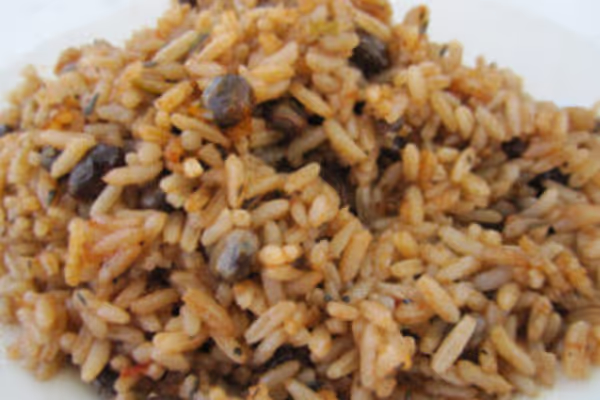
A side order of peas & rice (or rather, Peas n’ Rice) is as part of any bona fide Bahamian meal as palm trees are to our beautiful island landscape. Served alongside fish, meat or chicken, this beloved staple food is thoroughly enjoyed by Bahamian locals for lunch or dinner or both. In fact, it’s practically required in order to adequately complete a proper meal in these parts:) Along with a handful of other favourites such as: Johnny Cake & Conch Salad, this storied local delicacy is mandatory to try during your time in The Bahamas and it’s certainly worthy of “Tru Bahamian Must Eat” status!
While unfailingly tasty, Bahamian Peas n’ Rice contains a pretty basic ingredient list: deep brown pigeon peas, white long grain rice (most local chefs use the Mahatma brand), seasoned with tomatoes, onions, fresh thyme, tomato paste and (usually) salted pork or bacon. Depending on the dining audience, goat pepper can also be included to give the dish some additional kick. Essentially all of these ingredients work in tandem to flavour and “brown” the rice, which results in a hearty and well seasoned pot. In general, Bahamian Peas n’ Rice is the signature side dish served alongside a wide variety of other mealtime components such as: steamed or fried fish/chicken, baked macaroni and cheese, potato salad, cole slaw, fried plantain and maybe tossed salad too.
The historical origins of this dish date way back to the late nineteenth century when subsistence farming was a necessity in the Family Islands (aka- all islands in The Bahamas apart from New Providence and the capital of Nassau) where most citizens engaged in outdoor labor of some sort. Hardy pigeon pea plants and corn (harvested and ground into cornmeal grits) were both reliable food staples that complemented each other well. On any given day in a Bahamian field, you would find tall stalks of corn (interspersed with vine plants like beans, okra, and tomatoes), and large pigeon pea plants on the exterior of the field. Since the harvesting of corn and pigeon peas generally followed each other after the rainy season, it was a common practice to prepare a nutritious meal with cornmeal grits (still used commonly in Bahamian culture today) and pigeon peas. As an antecedent to Peas n’ Rice, the combination of grits and pigeon peas with any meat or fish that was available at the time was an old Bahamian staple that has remained a key components of a local feast.
Since rice is not cultivated in The Bahamas, the now universal dish of Bahamian Peas n’ Rice only grew to be commonplace when rice and other processed foods entered the local food supply through food imports from the American South in the early twentieth century.
Peas n’ Grits (and later Peas n’ Rice) was originally enjoyed as a one-pot meal complete with meat, veggies, and a starch all in one. This dish allowed earlier islanders to survive off of foods that farming in Bahamian soil could provide and also offered a hearty meal while serving as an excellent source of nutrition for days spent toiling in fields. Over time however, Peas n’ Rice has since transitioned into playing more of a side dish role on the modern day Bahamian plate.
We know what you’re thinking: this rice dish is probably the same as any other you’d come across in this region of the world. But…not exactly. It is true that the vast majority of Caribbean countries enjoy a common rice dish as well, the most popular and well known likely being the famous “rice and peas” dish served in Jamaica. But, while the use of the peas and rice in the naming of dishes elsewhere suggests similarities, in fact there are some important distinctions among these rice staples with respect to taste, texture and appearance.
Primarily:
Now that we’ve covered all the basics, you need to know where and how to get your fork into this signature side dish. As we already mentioned, you’d be hard pressed to find any Bahamian establishment that doesn’t serve Bahamian Peas n’ Rice as one of its side dishes on the menu. We recommend your choice of any “down-home” Bahamian restaurant including Nesbitts or the myriad of eateries located at Arawak Cay like Drifters, Oh Andros or The Anchorage. Alternatively, if you’re in the mood for a more upscale dining setting, the Poop Deck locations or the newly remodelled Traveller’s Rest know how to prepare this dish right too. On our own Bites of Nassau Walking Food Tasting & Cultural Walking Tour, we of course feature this Bahamian delicacy deliciously during our visit to Bahamian Cookin’ restaurant in Downtown Nassau (open for lunch only).
Ingredients:
Directions:
Recipe adapted from Cooking With Sugar
NOTE: If you want to save time in the kitchen, most local grocery stores even sell pre-cooked Bahamian Peas n’ Rice in a can! Just look for the Bahamian-owned Sawyer’s brand in the canned good section.

Discover more stories from our blog. Dive into Bahamian flavors, local culture, and insider travel tips from Nassau and beyond.
As a tropical destination with 365 days of sunshine each year, The Bahamas is home to a wide array of exotic and juicy fruit varieties. Whether it be: mangos, watermelon, sugar apples, mulberries, passion fruit or papayas, these gems of…
Read More
Nassau’s local art scene has grown exponentially in the last decade. A trip to one of the island’s many outstanding art galleries is a definite “must do” if you’re interested in learning about how resident Bahamians (and international…
Read More
It’s spring break. And after months of cold, dark winter, we can totally understand why escaping to some place warm (The Bahamas) sounds like a good idea for the many guests we’ll welcome to our island over these next few weeks. We have to…
Read More


.png)
